The quick answer
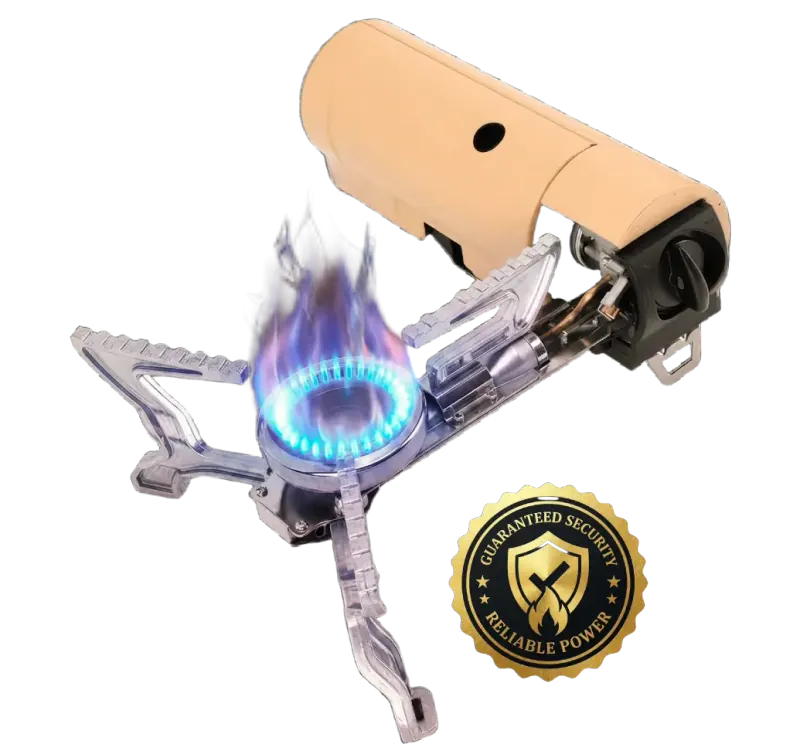
A camp stove that will not light or burns with a weak flame is usually caused by low or cold fuel, a canister that is not connected properly, a wet or worn igniter, a dirty burner, or wind. A yellow flame means the gas is not getting enough air, usually from a dirty burner. Check the fuel first, clean the burner, shield it from wind and keep the canister out of the cold. If the stove itself is worn out, a compact folding stove with push-button ignition and a steady blue flame like the Qinux GoFlamex is the easy fix.
It always happens at the worst moment: the coffee water is ready, everyone is hungry, it is getting cold and dark, and the stove just clicks, sputters or produces a sad little flame that barely warms the pan. The good news is that most camp stove problems come down to a short list of causes, and you can check them in a few minutes. Late fall and winter make several of them worse, which is why so many people only discover them on the first cold trip of the season.
How a portable gas stove makes a flame
Knowing the basics makes troubleshooting easier. Fuel leaves the canister as a gas, flows through a valve and a tiny jet, mixes with air in the burner and is lit by the igniter. A clean, well-mixed flame burns blue. If any link in that chain is weak (not enough gas pressure, a blocked jet, not enough air, no spark), you get no flame, a weak flame or a yellow one.
9 common causes (and the fix for each)
- The canister is empty or almost emptyA nearly empty canister has little pressure left, so the flame fades even when the valve is wide open. Shake it gently or weigh it against a new one (our guide to how much fuel is left in a gas canister shows the exact math), and always pack a spare.
- The fuel is too coldIn the cold, canister fuel vaporizes slowly and pressure drops, so the flame shrinks or dies. Keep the canister in a warmer place (inside your tent or bag, out of the wind) until you cook, and use the fuel your manual recommends. Never heat a canister with a flame, stove or hot surface.
- The canister is not connected properlyA canister that is not fully seated may let little or no gas through. Turn the stove off, disconnect, check the seal for dirt or damage, and reconnect exactly as the manual shows.
- The igniter is wet, dirty or wornPush-button igniters can stop sparking after rain, condensation or years of use. Dry it, wipe the tip, and check that you can hear and see a spark. Many people keep a long lighter as a backup.
- The burner ports or jet are blockedFood spills, grease, dust and even spider webs in storage block the gas or air flow. Let the stove cool, then clean the burner gently with a soft brush. This is also the most common cause of a yellow flame.
- Wind is blowing the gas awayA gust can carry the gas away before it lights, or blow out a low flame. Set up behind your car or a rock, turn the burner side-on to the wind, and never wrap the stove and canister fully in a windscreen.
- The valve is barely openMany stoves light best with the valve opened partway, then turned down. Open it slowly while pressing the igniter; too little gas will not catch, too much can flare.
- The pot is too close or too bigA pan that sits right on the flame or hangs far past the burner can starve the flame of air and push heat back onto the stove. Use cookware that fits your stove’s supports.
- The stove is simply worn outWobbly legs, sticky valves, cracked seals and dead igniters add up. When a stove needs constant coaxing, replacing it is safer and far less frustrating.
Quick troubleshooting table
| What you see | Most likely cause | First thing to try |
|---|---|---|
| Clicks but never lights | No gas flow, wet igniter or wind | Check the canister connection, dry the igniter, block the wind |
| Lights, then fades | Low or cold fuel | Fresh canister, keep fuel out of the cold |
| Yellow or orange flame | Not enough air, dirty burner | Turn off, cool, clean the burner ports |
| Uneven flame, one side dead | Partly blocked burner | Brush the burner gently |
| Flame keeps blowing out | Wind or valve too low | Windbreak, open the valve slightly more |
| Gas smell or hissing when off | Leak at the connection | Stop using it; check seals per the manual |
Wind is the problem people underestimate most. Our list of camp cooking mistakes to avoid shows how to block it safely, and the portable gas stove safety guide covers ventilation, carbon monoxide and handling canisters.
Cold-weather stove tips for late-fall and winter trips
- Store fuel warm, use it cold — keep the canister in your tent, sleeping bag or a jacket inside the car overnight, and bring it out only when you are ready to cook.
- Start with a full canister — pressure drops faster in the cold as the canister empties, so a fresh one makes a big difference.
- Insulate from the ground — set the stove on a flat board or a stable table rather than snow or frozen ground.
- Use lids — a lid keeps heat in so a smaller flame still boils water quickly.
- Cook outdoors only — cold nights tempt people to cook in a tent or vestibule. Do not: carbon monoxide builds up fast in enclosed spaces.
When it is time for a better stove
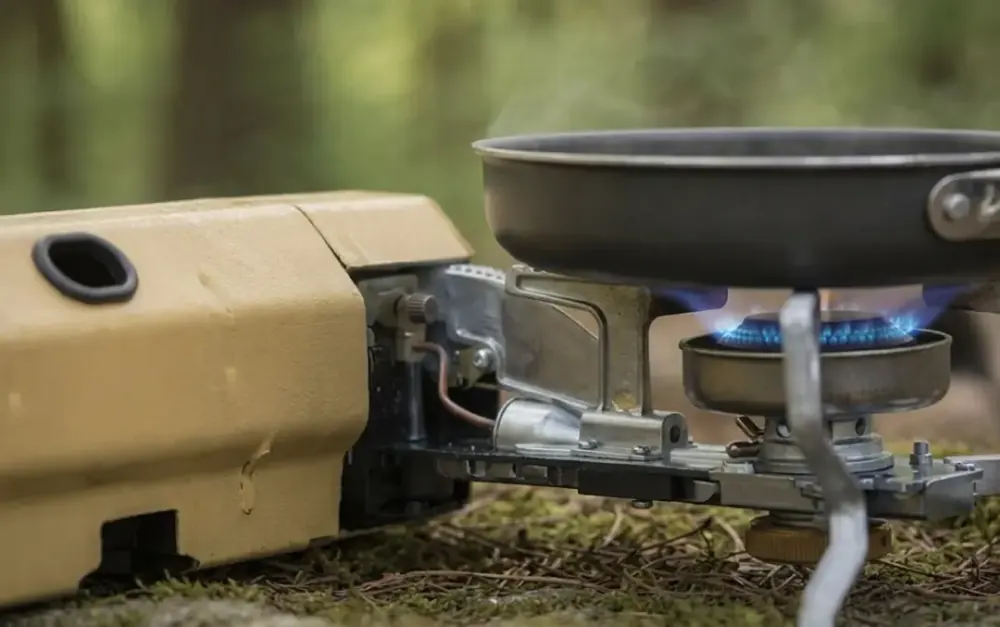
If you have cleaned the burner, tried a fresh canister and blocked the wind and the stove still fights you, the stove is the problem. That is where a modern folding stove like the Qinux GoFlamex shines: push-button electronic ignition that lights on the first press, a powerful, steady blue flame and a flame knob that actually goes from a rolling boil down to a simmer. For a full checklist of what to look for, see how to choose a portable camping stove.
Our recommendation: Qinux GoFlamex
If your old stove clicks, sputters or leaves you with a weak yellow flame, the Qinux GoFlamex is the stove we recommend. It is built to light fast, burn clean and stay steady, which is exactly what you want when it is cold and everyone is waiting for dinner:
- Push-button electronic ignition — no matches, no lighters, no endless clicking.
- Up to 2600W with a steady blue flame — strong heat that boils water and heats a skillet quickly.
- Precise flame control — a real simmer for eggs and sauces, full power for boiling.
- Reinforced, stable base — stays level on picnic tables and uneven ground.
- Smart valves against overpressure and an auto-lock — built-in safety features for extra peace of mind.
- Folds into its own case — with a carry bag, so the burner stays clean and protected between trips.
Owners rate it 4.8/5 on the official site from more than 1,300 reviews, and 94% would recommend it. Right now it costs $119 for one stove (half the regular $238), and the price drops to $86 per unit on the 5-pack. Shipping is free, and every order is covered by a 14-day money-back guarantee. It is sold only on the official website.
Want the full picture first? Read our complete GoFlamex review or see the quick overview on our home page. As with any gas stove, follow the manual and use the fuel it specifies, use it outdoors only and keep kids and pets away from the flame.
Frequently asked questions
Why won’t my camp stove light?
The most common reasons are an empty or nearly empty fuel canister, a canister that is not seated or connected properly, a worn or wet igniter, a blocked burner or jet, wind blowing the gas away before it catches, or very cold fuel that is not producing enough gas pressure. Work through them one at a time, starting with the fuel.
Why is my camp stove flame yellow or orange?
A healthy gas flame is mostly blue. A lazy yellow or orange flame usually means the gas is not mixing with enough air: dirt, spider webs or food residue in the burner ports or air openings, or a pot sitting too close to the flame. A yellow, sooty flame wastes fuel and can produce more carbon monoxide, so stop, let the stove cool and clean it.
Why does my gas stove flame get weaker in cold weather?
Canister fuel has to turn from liquid to gas to burn. In the cold, it vaporizes more slowly, so pressure drops and the flame shrinks, especially as the canister gets low. Keeping the canister out of the cold until you cook and using the fuel type your manual recommends for low temperatures helps a lot. Never heat a canister with a flame or other heat source.
Is it safe to use a camp stove with a weak flame?
A weak but steady blue flame is usually just slow. A flame that is yellow and sooty, flares up, smells strongly of gas or keeps going out is a sign to turn it off, let it cool and check the stove and connection. Always cook outdoors, never in a tent, car or garage.
How do I know if my camp stove has a gas leak?
Signs include a strong gas smell, a hissing sound when the valve is closed, or frost forming on the connection. Turn the stove off, move away from flames and do not use it until the connection and seals are checked as the manual describes.
Should I replace my camp stove or fix it?
Cleaning, a fresh canister and a dry igniter fix many problems. If the igniter is broken, the valve leaks, the base is wobbly or the flame never adjusts properly, a new stove with electronic ignition, precise flame control and built-in safety valves is the safer and easier choice.