Portable gas stoves are one of the most useful pieces of gear you can own — for camping, fishing, tailgating and keeping hot food on the table when the power goes out. Like any tool that makes a flame, they are safe when you follow a few simple rules. Here they are, in plain language.
Rule #1: cook outside, always
This is the big one. Any gas flame produces carbon monoxide (CO), a gas you can’t see or smell. Outdoors, it blows away harmlessly. Inside a tent, an RV, a garage or a house, it can build up to dangerous levels.
- Never cook inside a tent, car, camper, garage or closed room.
- Set up in open air, at least several feet from tents, trees and anything that can burn.
- During a power outage, cook on a porch, patio or driveway, away from doors, windows and vents.
Rule #2: set up on a flat, stable surface
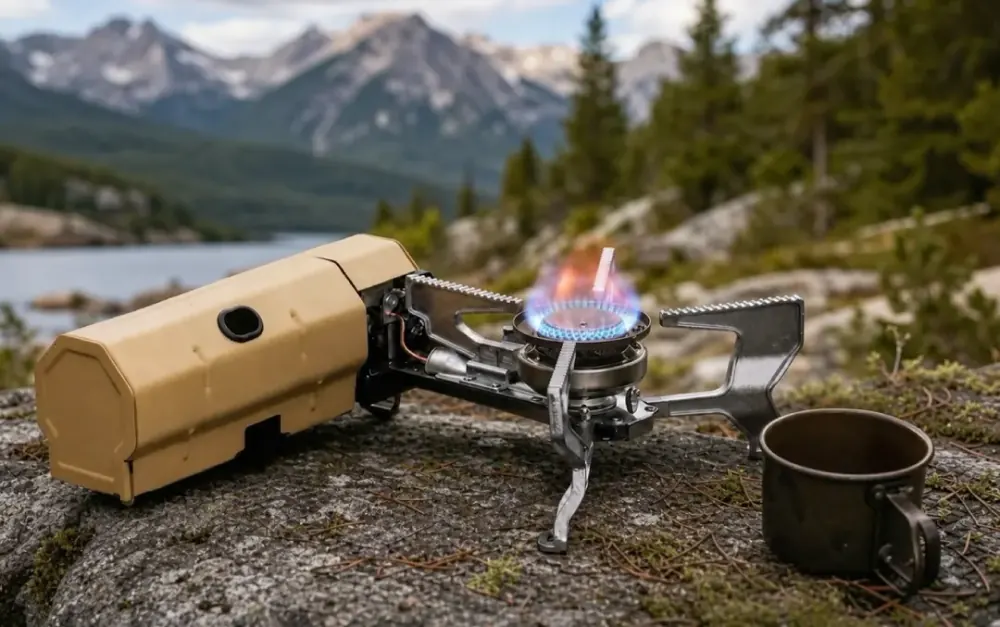
A tipping pan of boiling water is the most common camp-kitchen injury. Unfold the stove fully, make sure every support is locked in place, and set it on level ground, a flat rock or a sturdy table. Use a pot or pan that fits the supports, and keep handles turned away from where people walk.
Rule #3: handle gas cartridges carefully
- Check before connectingLook for dents, rust or damage. Don’t use a damaged cartridge.
- Connect outdoors, away from flamesFollow your stove’s manual exactly. Never change a cartridge near a lit stove, campfire or cigarette.
- Listen and smellA hissing sound or a gas smell after connecting means something is wrong. Disconnect and check the connection before lighting.
- Store them rightUpright, cool, dry and out of direct sun. Don’t leave them in a hot car all day.
Rule #4: watch the wind
Wind steals heat and can push the flame sideways. Set up behind a natural windbreak like a rock or your vehicle (with the engine off and doors closed). Never wrap foil or build an enclosure tightly around a gas cartridge — it can overheat.
Rule #5: never leave a lit flame alone
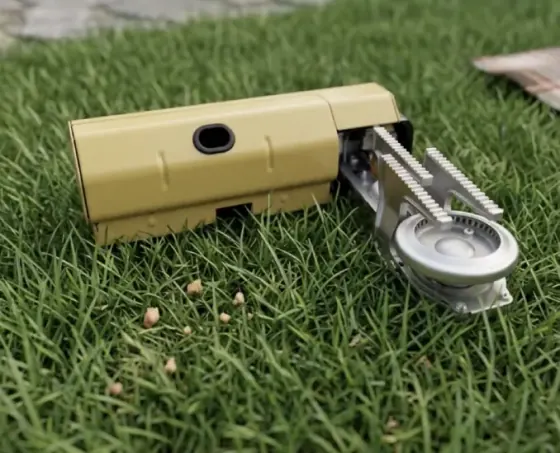
Turn the stove off if you walk away, even for a minute. Keep kids and pets at a safe distance, and let the stove cool completely before you touch the burner or fold it back into its case.
Cooking during a power outage
When a storm takes out the electricity, a portable stove lets you boil water, make coffee and cook real meals. Keep it with your emergency supplies along with spare fuel, a manual can opener, a flashlight and easy foods like pasta, canned soup and oatmeal. And remember rule #1: cook outdoors only, and make sure your home has a working battery-powered carbon monoxide alarm.
Choose a stove built with safety in mind
Good habits matter most, but good design helps. We like the Qinux GoFlamex because safety is built in: smart valves designed to protect against anomalies or unexpected overpressure, an auto-lock, reinforced supports for a stable base, and an electronic ignition so there is no lighter flame near the burner. With up to 2600W and a protective carry pouch, it is just as at home in the emergency kit as at the campsite. Esther, an owner who fishes often, said it best: “It feels really safe to use.”
Frequently asked questions
Can I use a portable gas stove indoors?
No. Portable camping stoves are designed for outdoor use. Burning gas indoors, in a tent, garage or vehicle can build up carbon monoxide, which is colorless, odorless and deadly. During a power outage, cook outside on a porch, patio or driveway, away from doors and windows.
Is it safe to use a camp stove in a tent?
No. Never cook inside a tent or a closed vestibule. Besides the carbon monoxide risk, tent fabric can catch fire. Cook in the open air, well away from the tent.
How should I store gas cartridges?
Keep them upright in a cool, dry, ventilated place, out of direct sun and away from heat sources and flames. Never store them inside a hot car for long periods. Change cartridges outdoors, away from any flame.