The quick answer
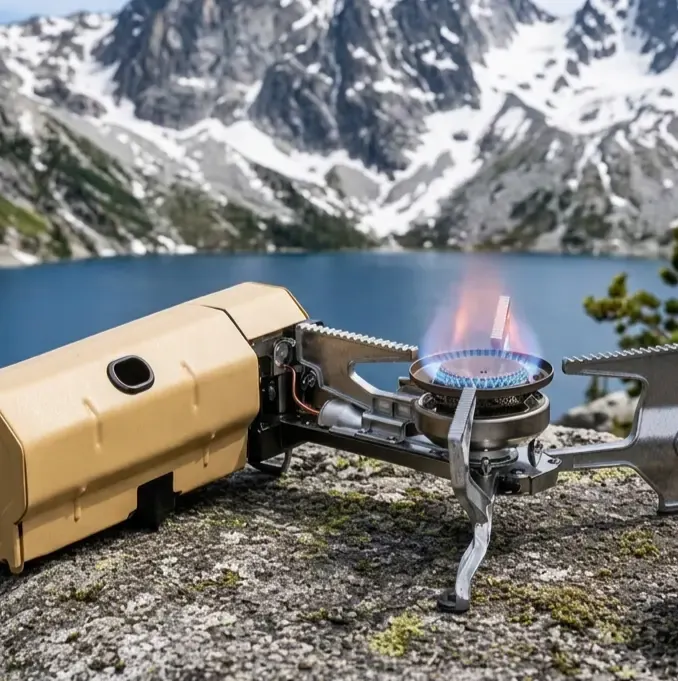
Most camp cooking problems come from a handful of avoidable mistakes: no meal plan, a wobbly setup, cooking on full blast, fighting the wind, forgetting key gear and leaving cleanup for later. Each one has an easy fix. The biggest upgrade is a stove that lights instantly, holds a steady flame and gives you real heat control. Our pick is the Qinux GoFlamex. And always cook outdoors, never in a tent or car.
Camp food should be one of the best parts of the trip. Yet a lot of campers end up with burnt eggs, half-cooked pasta, a stove that keeps going out and a pile of greasy pans in the dark. The good news: almost none of that comes down to cooking skill. It comes down to a few habits that are easy to change once you know them. Here are the 12 mistakes we see most often, why they happen and the simple fix for each one.
Before the trip: planning mistakes
1. Not planning meals ahead
Showing up with a cooler full of random groceries means improvising every meal, often after dark and when everyone is hungry. The fix: write a simple menu for every meal of the trip, with a short ingredient list for each. Our 15 easy camping meals for a portable stove are a good place to start.
2. Doing all the prep at the campsite
Chopping onions on a tiny cutting board balanced on your knee is slow and messy. The fix: chop vegetables, mix spice blends, marinate meat and pre-measure dry ingredients at home. Pack each meal in labeled bags so dinner becomes a ten-minute job.
3. Never testing the stove at home
Discovering a missing part, the wrong fuel or a setup you do not understand at the campsite is a classic frustration. The fix: do a dry run in the backyard or on a balcony: unfold the stove, connect the fuel listed in the manual, light it, adjust the flame and fold it away again. Five minutes at home saves a cold dinner later.
4. Forgetting the small essentials
The stove is packed, but the spatula, pot holder or can opener is still in the kitchen drawer. The fix: keep a dedicated camp kitchen box that never gets unpacked at home. A simple list:
- Cooking: stove, the fuel your manual specifies, one skillet, one pot with a lid
- Tools: spatula, tongs, ladle, knife, small cutting board, pot holder, can opener
- Backup: a lighter or waterproof matches, as with any stove
- Cleanup: wash bin, biodegradable soap, scraper, towel, trash bags
At the campsite: setup mistakes
5. Cooking on an uneven or unstable surface
A pot of boiling water on a wobbly table or a sloped rock is an accident waiting to happen. The fix: always set the stove on a flat, solid surface, check that it does not rock, and keep the area around it clear of clutter. A stove with a wide, reinforced base makes this much easier.
6. Fighting the wind the wrong way
Wind steals heat, stretches cooking times and can blow out weak flames. But wrapping a stove completely in foil or a tight windscreen can trap heat around the burner and the fuel, which is a real hazard. The fix: use natural shelter (your car, a large rock, a picnic table turned on its side), point the burner so the wind hits it from the side, and if you use a windscreen, leave it open on one side. (If the flame still dies or burns yellow, see why a camp stove won’t light or has a weak flame.)
7. Cooking too close to the tent, or inside it
When it rains, it is tempting to cook in the tent or vestibule. Do not. Gas stoves need fresh air, can produce carbon monoxide in closed spaces, and tent fabric burns easily. The fix: cook outdoors only, a safe distance from tents, cars, dry grass and overhanging branches. Our portable gas stove safety tips cover this in more detail.
While you cook: heat and fuel mistakes
8. Cooking everything on full blast
This is the number-one reason for burnt-bottom, raw-top food. Thin camping pans concentrate heat in the middle, so a high flame scorches food long before it cooks through. The fix: bring water to a boil on high, then turn the flame down for everything else. Use a lid and stir often. This is exactly why precise flame control matters so much on a camp stove: you need a real simmer, not just "on" and "off". It is one of the things we looked at closely in our GoFlamex review.
9. Wasting fuel
Leaving the stove running between steps, boiling more water than you need and cooking without a lid all burn through fuel fast. The fix: use lids, boil only what you need, turn the flame off between tasks (an instant-light stove makes this painless) and choose recipes that do not need long simmering times. Always bring a spare cartridge of the fuel your manual lists.
10. Using the wrong cookware
Huge pots on a small burner tip easily, and cheap thin pans burn everything. The fix: match the pan to the burner, pick a pan with a thicker bottom for frying, and keep a lid for every pot. One good skillet and one pot cover almost every camp meal.
11. Ignoring food safety
Coolers warm up fast in the sun, and raw meat juices can drip onto everything else. The fix: keep the cooler in the shade with plenty of ice, store raw meat sealed at the bottom, use a separate board for meat, cook meat through and pack hand sanitizer for the cook.
After the meal: the cleanup mistake
12. Leaving cleanup for later
Dried-on food is twice as hard to scrub, and leftover scraps attract animals. The fix: wipe pans while they are still warm, wash up right after the meal, pack out all food scraps and let the stove cool completely before folding it away. One-pan meals make this step much shorter.
Mistake vs. fix at a glance
| Mistake | What happens | Easy fix |
|---|---|---|
| No meal plan | Late, stressful dinners | Simple menu + prepped bags |
| Untested stove | Surprises at the campsite | Five-minute dry run at home |
| Wobbly surface | Spills and burns | Flat, solid table and a stable base |
| Wind | Slow cooking, flame goes out | Natural windbreak, never fully enclosed |
| Full blast | Burnt bottom, raw top | Lower flame, lid, stir often |
| Wasted fuel | Running out mid-trip | Lids, flame off between steps, spare fuel |
| Cleanup later | Stuck-on food, animals | Wipe warm, wash right away |
Notice how many of these fixes depend on the stove itself: lighting instantly, staying stable and holding a gentle flame. If you are still choosing one, our 8-point guide to choosing a portable camping stove walks you through it.
Our recommendation: Qinux GoFlamex
Good habits fix half of these mistakes. The right stove fixes most of the rest. The Qinux GoFlamex is the stove we recommend because it was designed around exactly the problems campers run into:
- Precise flame control — go from a rolling boil to a gentle simmer, so pancakes, eggs and sauces cook through instead of burning (mistake #8).
- Push-button electronic ignition — no fumbling with matches, and turning the flame off between steps to save fuel is effortless (mistake #9).
- Reinforced base — holds pans steady on a camp table, which makes the whole setup safer (mistake #5).
- Up to 2600W with a steady blue flame — real power to boil water and sear fast, even on a cool morning.
- Smart valves against overpressure and an auto-lock — built-in safety features for extra peace of mind.
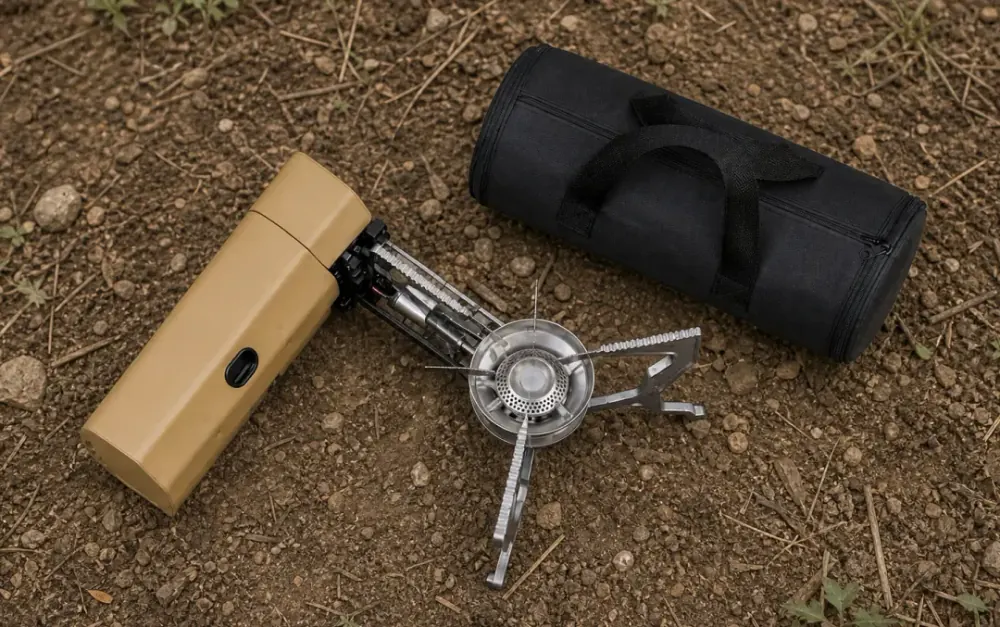
- Folds into its own case — with a carry bag included, it lives in your camp kitchen box and is always ready to go (mistake #4).
Owners rate it 4.8/5 on the official site from more than 1,300 reviews, and 94% would recommend it. Right now it costs $119 for one stove (half the regular $238), and the price drops to $86 per unit on the 5-pack. Shipping is free, and every order is covered by a 14-day money-back guarantee. It is sold only on the official website.
Want the full picture first? Read our complete GoFlamex review or see the quick overview on our home page. As with any gas stove, follow the manual, use it outdoors only and keep kids and pets away from the flame.
Frequently asked questions
What is the most common camp cooking mistake?
Poor planning. Most problems at the campsite (forgotten gear, meals that take too long, running low on fuel) start at home. Plan each meal, prep ingredients in advance and test your stove before the trip, and camp cooking becomes much easier.
Why does my camp food burn on the bottom but stay raw on top?
The flame is usually too high for the pan. Thin camping pans spread heat poorly, so food scorches in the middle. Turn the flame down, use a lid, stir more often and choose a stove with precise flame control so you can simmer instead of blasting.
How do I stop wind from blowing out my camp stove?
Set up behind a natural windbreak such as your car or a large rock, and turn the stove so the wind hits the side of the burner, not the front. If you use a windscreen, never wrap it fully around the stove and fuel; leave space for air and heat to escape.
Is it safe to cook inside a tent?
No. Never cook inside a tent, vestibule, car or any closed space. Gas stoves use oxygen and can produce carbon monoxide, and tent fabric can catch fire. Always cook outdoors on a stable surface, well away from the tent.
How do I make camp cleanup easier?
Cook one-pan meals, wipe pans while they are still warm (not hot), and bring a small wash bin, biodegradable soap and a scraper. Pack out food scraps and follow your campsite’s rules for dishwater.